

Malta, una piccola isola nel cuore del Mediterraneo, continua a dimostrare di avere una voce sempre più forte nel panorama internazionale della moda. Un luogo dove storia, luce e contaminazioni culturali si incontrano e dove la creatività trova un terreno fertile per crescere e trasformarsi.
Negli ultimi anni l’isola sta emergendo come una nuova piattaforma per il fashion system globale: un punto di incontro tra designer provenienti da paesi diversi, media internazionali, modelle e professionisti del settore. In questo scenario dinamico, la moda diventa linguaggio culturale e strumento di connessione tra identità differenti.
Tra gli eventi che stanno contribuendo a consolidare questa visione c’è International Fashion Island, una manifestazione che, edizione dopo edizione, si sta affermando come uno degli appuntamenti più glamour e internazionali del Mediterraneo. L’ultima edizione, ospitata nella suggestiva cornice di Fort Manoel, ha registrato due serate sold out e una straordinaria risonanza mediatica, con milioni di visualizzazioni e una partecipazione sempre più globale.
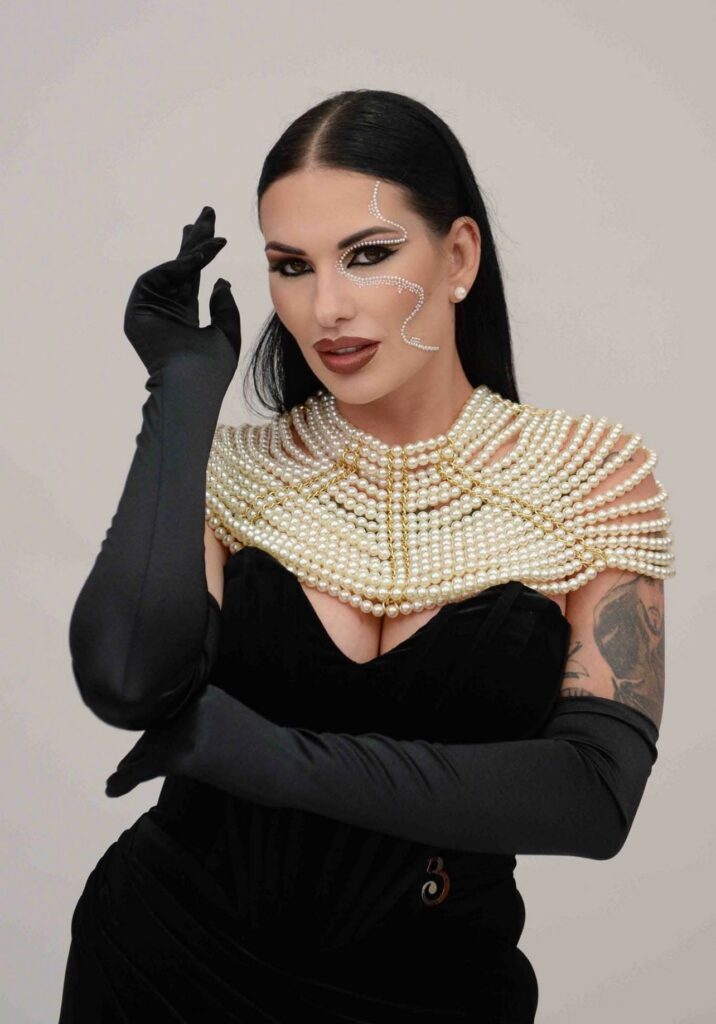
Dietro questo progetto c’è la visione e la determinazione di Marina Merișanu, ideatrice e organizzatrice dell’evento, che ha saputo trasformare una sfilata di moda in una vera piattaforma culturale dove creatività, turismo e territorio dialogano tra loro.
In questa intervista Marina Merișanu racconta la nascita e l’evoluzione di International Fashion Island, il ruolo strategico di Malta nel panorama fashion internazionale e la visione futura di un progetto che ambisce a rendere l’isola un hub stabile per la moda globale
Founder di International Fashion Island
International Fashion Island 2026 ha registrato due serate sold out nella suggestiva cornice di Fort Manoel. Quando ha capito che l’evento aveva raggiunto una dimensione internazionale così forte?
Uno dei momenti in cui ho compreso davvero che International Fashion Island aveva raggiunto una dimensione internazionale è stato quando ho visto crescere la diversità dei partecipanti e del pubblico ben oltre le nostre aspettative iniziali. Designer, modelle, stilisti e media provenivano non solo da Malta, ma da numerosi paesi, tutti entusiasti di presentare il loro lavoro sulla nostra piattaforma.
Un altro segnale molto forte è arrivato proprio con l’edizione 2026 a Fort Manoel. Vedere due serate sold out in una location così iconica ha confermato che l’evento si era evoluto in qualcosa di molto più grande di un semplice festival di moda. Era diventato una vera destinazione dove creatività, cultura e moda internazionale possono incontrarsi.
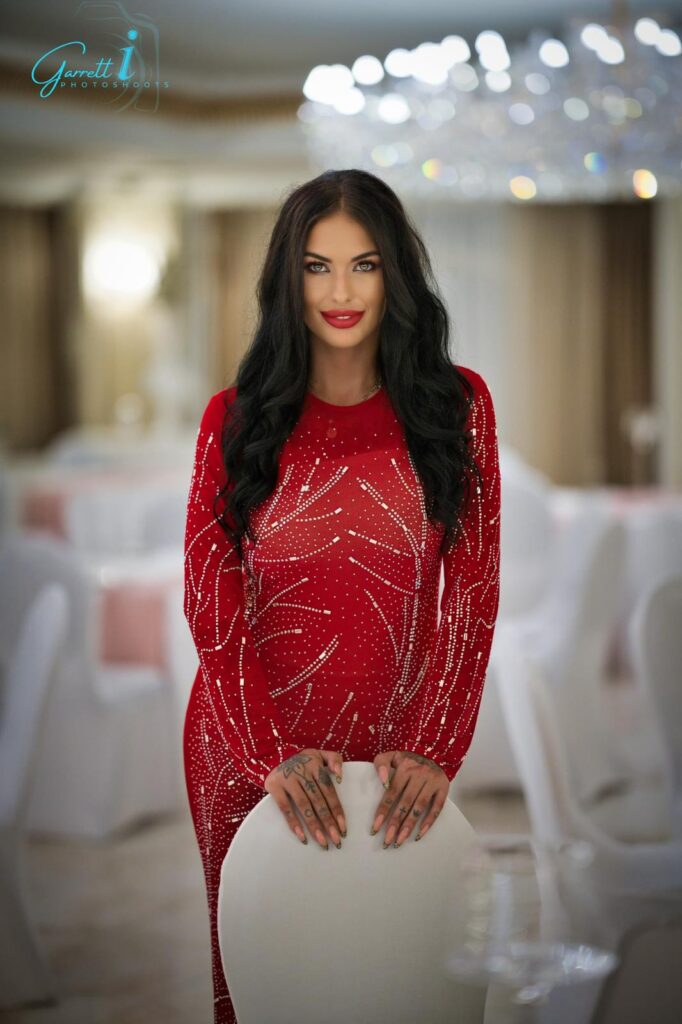
Per me non si è trattato solo del successo dei biglietti, ma della consapevolezza che la visione con cui era nato il progetto aveva trovato risonanza a livello globale.
La scelta di Malta e del Mediterraneo come fulcro narrativo dell’evento è ormai un tratto distintivo. Quanto è strategica questa identità territoriale nel posizionamento globale della manifestazione?
È una scelta assolutamente strategica. In un panorama globale dove molti eventi di moda possono apparire simili, radicare una manifestazione in una forte identità territoriale le conferisce autenticità e carattere.
Malta offre qualcosa di davvero unico: è un crocevia di culture, storia, architettura e luce, elementi che ispirano naturalmente la creatività. Ponendo il Mediterraneo al centro della narrazione non stiamo semplicemente ospitando una sfilata, ma stiamo creando un’esperienza che riflette uno stile di vita, un dialogo culturale e un senso profondo del luogo.
In questo modo Malta diventa più di una location: diventa parte del linguaggio creativo dell’evento.
Portare a Malta nomi come Cătălin Botezatu e José Perea significa creare un dialogo tra visioni couture diverse. Qual è il criterio con cui selezionate i designer?
Invitare stilisti come Cătălin Botezatu e José Perea è stata una scelta precisa, perché International Fashion Island vuole creare un dialogo tra diverse visioni della moda, dall’alta moda alla contemporaneità.
Cătălin Botezatu, oltre ad essere uno stilista di fama internazionale, è anche un caro amico e uno dei più convinti sostenitori di questo progetto. Fin dall’inizio mi ha affiancato nello sviluppo del concept dell’evento e, in molti modi, abbiamo costruito questa visione insieme. La sua esperienza e i suoi consigli sono stati estremamente preziosi.
Quando selezioniamo gli stilisti ci concentriamo su alcuni elementi fondamentali: una forte identità creativa, una visione chiara e la capacità di portare qualcosa di distintivo in passerella, attraverso artigianalità, innovazione o storytelling.
La diversità è un altro aspetto chiave. Vogliamo che il pubblico possa vivere interpretazioni differenti della moda sullo stesso palcoscenico.
International Fashion Island non è solo una sfilata, ma una piattaforma che unisce moda, turismo e cultura. Quanto è importante creare un’esperienza immersiva?
Per me è sempre stato essenziale che International Fashion Island fosse più di una tradizionale sfilata di moda. La mia visione era creare una piattaforma dove la moda si connettesse con il turismo, la cultura e lo spirito unico del Mediterraneo.
Oggi la moda è fatta di esperienza e narrazione. Organizzare l’evento in location iconiche di Malta e valorizzare il patrimonio e l’atmosfera dell’isola permette di creare qualcosa di memorabile sia per gli stilisti sia per gli ospiti.

International Fashion Island non è solo una passerella: è un’esperienza immersiva dove moda, cultura e destinazione si fondono.
Dietro ogni edizione c’è un lavoro organizzativo enorme. Qual è la sfida più grande per mantenere standard così elevati?
Dietro ogni edizione c’è un incredibile lavoro di squadra. Allo stesso tempo, in quanto ideatrice dell’evento, supervisiono personalmente molti aspetti chiave: dal coordinamento di stilisti e modelle alle relazioni con i media, fino alla promozione e all’organizzazione del backstage.
La sfida più grande è riuscire a far funzionare perfettamente tutti questi elementi mantenendo standard molto alti. Quest’anno è stato particolarmente impegnativo, perché abbiamo accolto oltre 30 stilisti, ognuno con le proprie collezioni, team e visioni creative.
Serve pianificazione, comunicazione costante e grande attenzione ai dettagli.
Il supporto di Visit Malta conferma il crescente ruolo dell’isola nel panorama creativo. Qual è la sua visione a lungo termine?
Il supporto di Visit Malta dimostra che International Fashion Island sta crescendo e che Malta è sempre più riconosciuta non solo come destinazione turistica, ma anche come luogo di creatività e di eventi culturali internazionali.
Fin dalla prima edizione l’impatto è stato significativo: l’evento ha generato oltre 3 milioni di visualizzazioni internazionali, presentando Malta a un pubblico globale. Con l’ultima edizione abbiamo superato i 6 milioni di visualizzazioni, ampliando ulteriormente questa visibilità.
La mia visione è sviluppare Malta come un vero polo internazionale della moda, creando piattaforme stabili dove designer, creativi, media e professionisti possano incontrarsi ogni anno.
Guardando al futuro, quale sarà la prossima evoluzione di International Fashion Island?
La prossima evoluzione sarà quella di rafforzare il ruolo dell’evento come piattaforma globale. Prevedo una crescita nel numero di stilisti e paesi rappresentati, ma anche un’esperienza sempre più immersiva che integri arte, cultura e collaborazioni innovative.
Uno dei miei sogni è vedere International Fashion Island riconosciuta tra i grandi appuntamenti del calendario mondiale della moda, con sfilate organizzate due volte l’anno.
Voglio che Malta diventi un polo permanente per la moda internazionale, dove creatività, tradizione e innovazione possano incontrarsi e ispirare il futuro del fashion system.

Marina Merișanu and the Vision of International Fashion Island: Malta, the New Mediterranean Fashion Hub
Founder of International Fashion Island
Malta, a small island in the heart of the Mediterranean, continues to prove that it has an increasingly strong voice in the international fashion landscape. A place where history, light and cultural influences meet, and where creativity finds fertile ground to grow and evolve.
In recent years the island has been emerging as a new platform for the global fashion system: a meeting point for designers from different countries, international media, models and industry professionals. In this dynamic scenario, fashion becomes a cultural language and a bridge between different identities.
Among the events contributing to this vision is International Fashion Island, a fashion platform that, edition after edition, is establishing itself as one of the most glamorous and internationally oriented events in the Mediterranean. The latest edition, hosted in the striking setting of Fort Manoel, sold out both evenings and generated remarkable media attention, reaching millions of views and attracting an increasingly global audience.
Behind this project is the vision and determination of Marina Merișanu, the founder and organizer of the event, who has successfully transformed a fashion show into a cultural platform where creativity, tourism and territory come together.
In this interview, Marina Merișanu shares the story behind International Fashion Island, the strategic role of Malta in the international fashion landscape, and the future vision of a project that aims to position the island as a stable hub for global fashion.
International Fashion Island 2026 recorded two sold-out evenings in the iconic setting of Fort Manoel. When did you realize that the event had reached such a strong international dimension?
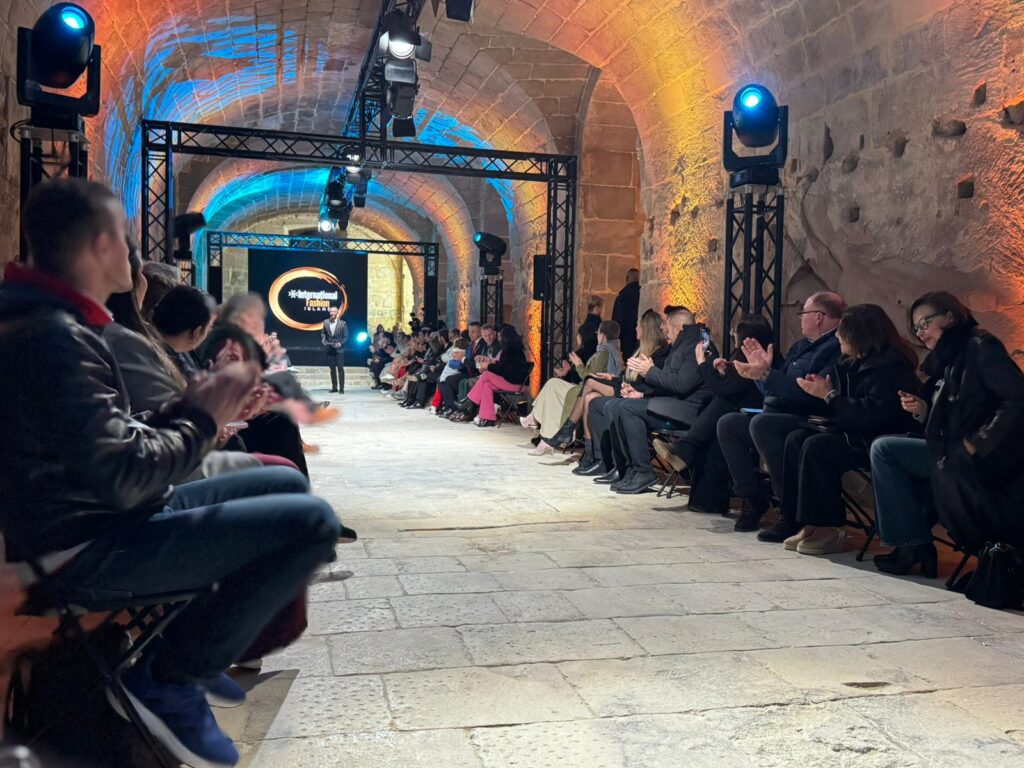
One of the moments when I truly realized that International Fashion Island had reached a strong international dimension was when we saw the diversity of participants and audiences growing far beyond our initial expectations. Designers, models, stylists and media were coming not only from Malta but from many different countries, all genuinely excited to present their work on our platform.
Another clear sign came with the 2026 edition at Fort Manoel. Seeing two sold-out nights in such an iconic location confirmed that the event had evolved into something much bigger than a simple fashion festival. It had become a destination where creativity, culture and international fashion meet.
For me, that moment was not just about ticket sales, but about realizing that the vision we started with had truly resonated on a global level.
The choice of Malta and the Mediterranean as the narrative core of the event has become a distinctive feature. How strategic is this territorial identity for the global positioning of the event?
It is absolutely strategic. In a global fashion landscape where many events can sometimes feel similar, grounding an event in a strong territorial narrative gives it authenticity and character.
Malta offers something truly unique: it is a crossroads of cultures, history, architecture and light, elements that naturally inspire creativity. By placing the Mediterranean at the center of the narrative, we are not simply hosting a fashion event; we are creating an experience that reflects a lifestyle, a cultural dialogue and a strong sense of place.
In this way, Malta becomes more than just a location — it becomes part of the creative language of the event.
Bringing designers such as Cătălin Botezatu and José Perea to Malta creates a dialogue between different couture visions. What criteria do you use when selecting designers for the event?
Inviting designers such as Cătălin Botezatu and José Perea is a very intentional choice, because International Fashion Island aims to create a dialogue between different visions of fashion, from haute couture to contemporary design.
Cătălin Botezatu is not only an internationally renowned designer, but also a close friend and one of the strongest supporters of this event. From the beginning he supported me in developing the concept of International Fashion Island, and in many ways we built this vision together. His experience and high-level advice within the fashion industry have been extremely valuable.
When selecting designers, we focus on several key elements. The first is a strong creative identity: designers who have a clear vision and a distinctive signature in their work.
Another key aspect is diversity. International Fashion Island is conceived as a global platform, which is why we select designers from different countries and cultural backgrounds, allowing the audience to experience multiple interpretations of fashion on the same stage.
International Fashion Island is not just a runway show, but a platform that connects fashion, tourism and culture. How important is it for you to create an immersive experience?
For me, it has always been essential that International Fashion Island would be more than a traditional fashion show. The vision was to create a platform where fashion connects with tourism, culture and the unique spirit of the Mediterranean.
Fashion today is about experience and storytelling. By hosting the event in iconic Maltese locations and embracing the island’s heritage and atmosphere, we create something memorable for both designers and guests.
International Fashion Island is not just a runway — it is an immersive experience where fashion, culture and destination merge.
Behind every edition there is a complex collaborative effort. What is the biggest organizational challenge you face each year to maintain such high standards?
Behind every edition of International Fashion Island there is an incredible team effort. At the same time, as the mind behind the event, I personally supervise many key elements — from coordinating designers and models to managing media relations, promotion and even backstage logistics.
The biggest challenge each year is making sure that all these elements work seamlessly while maintaining very high standards. This edition was particularly demanding, as we welcomed more than 30 designers, each with their own collections, teams and creative visions.
It requires careful planning, constant communication and a great attention to detail.
The support of Visit Malta confirms the growing role of the island within the creative landscape. What is your long-term vision?
The support of Visit Malta demonstrates that International Fashion Island is growing and that the island is increasingly recognized not only as a tourist destination, but also as a place for creativity and international cultural events.
Since the first edition, the impact has already been significant. The event generated more than 3 million international views, presenting Malta to a global audience. With the latest edition, this number has grown to over 6 million views, providing the island with even greater international visibility.
My long-term vision is to continue developing Malta as a stable international fashion hub, creating consistent platforms where designers, creatives, media and industry professionals can meet every year.
Looking to the future, what will be the next evolution of International Fashion Island? Is there still a dream you would like to achieve through this project?
Looking ahead, the next evolution of International Fashion Island is to expand its role as a truly global platform. I envision not only an increase in the number of designers and countries represented, but also a deeper immersive experience that integrates more culture, art and innovative collaborations.
One dream I still wish to realize is to see International Fashion Island recognized among the major fashion events on the global calendar, with shows taking place twice a year.
My goal is for Malta to become a permanent hub for international fashion — a place where creativity, tradition and innovation regularly come together and inspire the future of fashion.